

Boichi Revisits a Classic: The Return of Rokudenashi Blues and Its Place in Modern Manga

📷 Image source: animenewsnetwork.com
A Legendary Artist Revives a Cult Classic
Boichi Takes the Helm for a New Generation
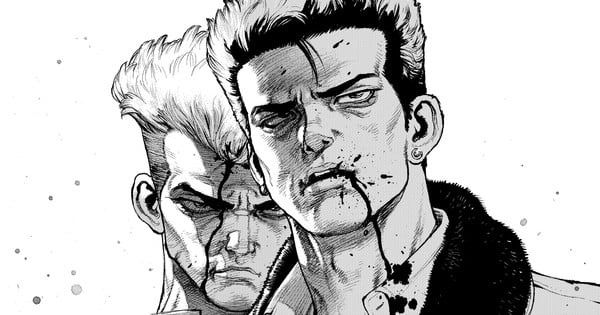
The manga world received unexpected news on January 30, 2026, when animenewsnetwork.com reported that acclaimed artist Boichi would be drawing a new installment of the classic series *Rokudenashi Blues*. This announcement marks a significant moment, merging the talents of a contemporary manga superstar with the legacy of a foundational 1990s sports-comedy series originally created by Masanori Morita.
Boichi, the South Korean-born artist renowned for his detailed, dynamic artwork in series like *Dr. Stone* and *Sun-Ken Rock*, is stepping into a distinctly different arena. The original *Rokudenashi Blues*, which translates roughly to 'Good-for-Nothing Blues,' is a seminal work that blended high-school delinquency, boxing, and sharp comedy, influencing a generation of shonen manga. This new project represents not just a revival, but a high-profile reinterpretation.
Understanding the Original: What Was Rokudenaji Blues?
The Foundation Boichi Builds Upon
For newer fans unfamiliar with the 1990s hit, *Rokudenashi Blues* is essential context. The series, which ran from 1988 to 1997 in Weekly Shōnen Jump, followed the tumultuous school life of Taison Maeda, a hot-headed transfer student with a passion for boxing. The story was less about pristine sportsmanship and more about the raw, often humorous struggles of youth, friendship, and scrappy determination in a delinquent-heavy school environment.
Its cultural impact in Japan was substantial, spawning a popular anime adaptation, live-action films, and video games. The series is remembered for its gritty yet comedic tone, a balance that defined an era of manga. According to animenewsnetwork.com, this new version by Boichi is a fresh take, suggesting it will reimagine the characters and setting for today's audience rather than serve as a direct continuation, though specific plot details remain under wraps.
The Boichi Factor: A Stylistic Clash or Fusion?
Analyzing the Artist's Signature in a New Context
Boichi's involvement is the project's most intriguing variable. His artistic style is characterized by hyper-detailed linework, cinematic framing, and a pronounced focus on muscular, physically imposing characters and elaborate backgrounds. This is a marked contrast to the more simplified, expressively exaggerated style common in late-80s and 90s Jump series like the original *Rokudenashi Blues*.
The central question becomes how Boichi's modern, almost photorealistic approach will translate the essence of Morita's classic. Will he adapt his style to better match the original's comedic timing and chaotic schoolyard brawls, or will he fully reinvent the visual language of the series? This artistic negotiation between reverence and innovation will likely define the project's critical reception. The announcement, as reported, confirms Boichi is drawing the manga, but the nature of the writing and story supervision has not been detailed, adding another layer of creative uncertainty.
The Revival Trend in Global Manga Publishing
Rokudenashi Blues as Part of a Larger Pattern
This revival is not occurring in a vacuum. The global manga industry, valued in the billions of dollars, has increasingly turned to proven intellectual property (IP) from past decades to mitigate risk and attract both nostalgic older readers and curious new ones. Recent years have seen revivals, sequels, or remakes of series like *Shaman King*, *Sailor Moon*, and *Dragon Quest: The Adventure of Dai*.
From a business perspective, launching a new series with a built-in name recognition like *Rokudenashi Blues* is a strategic move. It guarantees immediate attention from press and longtime fans. However, it also carries the weight of high expectations and the risk of alienating purists. The choice of Boichi, an artist with a massive international fanbase, clearly aims to transcend mere nostalgia and create a product with standalone appeal in today's competitive global market.
The Mechanics of a Manga Revival
How Such Projects Move from Idea to Print
The process behind this revival involves several key, often unseen, mechanisms. First is securing the rights from the original creator, Masanori Morita, and the publisher, Shueisha. While not stated in the report, such projects typically require the blessing and often the involvement of the original creator in a supervisory role, such as 'story original' or 'supervisor.' The absence of clarity on Morita's specific role is a notable gap in the current information.
Secondly, the editorial team at Shueisha's Weekly Shōnen Jump or a related magazine would be deeply involved in shaping the project's direction to fit contemporary reader tastes while honoring the original's spirit. Finally, the logistics of serialization—page counts, release schedule, and digital versus print distribution—are critical. The original report does not specify where or how frequently the new manga will be published, leaving its practical rollout a subject of anticipation.
Potential Impact on Boichi's Career Trajectory
Risks and Rewards for the Established Artist
For Boichi, this project is a notable pivot. Following the conclusion of his high-profile work as the artist for *Dr. Stone* (written by Riichiro Inagaki), taking on *Rokudenashi Blues* is a move that diverges from creating wholly original works like *Origin* or continuing mega-hit franchises. The risks are tangible: criticism for altering a beloved classic, or the project failing to resonate if the tone misses the mark.
Conversely, the rewards could be significant. Successfully revitalizing a classic could elevate Boichi's status from a superstar artist to a transformative figure who bridges manga generations. It could also introduce his distinctive art to an older demographic that may not have engaged with *Dr. Stone*. This career calculation underscores the project's high-stakes nature, where artistic credibility is on the line alongside commercial potential.
Comparative Analysis: International Comic Revivals
How Manga's Approach Differs from Western Comics
The practice of reviving old properties is common worldwide, but the execution differs. In American superhero comics, legacy characters are constantly reimagined by new creative teams, often within a shared universe. The 2015 *Star Wars* comic line at Marvel is a direct parallel: new stories in a beloved classic setting. However, manga revivals often feel more distinct because they are typically the vision of a single, new artistic team creating a contained story.
A closer comparison might be the various reinterpretations of classic literature or myths. Boichi's *Rokudenashi Blues* could be viewed similarly—taking a foundational narrative framework and rebuilding it with a modern aesthetic and sensibility. This approach allows for more radical stylistic departure than is often acceptable in Western corporate-owned comics, where character design consistency is fiercely guarded. The international reception will test whether this specific fusion of old story and new art transcends cultural boundaries.
The Audience Challenge: Bridging Generational Divides
Who Is This New Manga Really For?
The target audience for this revival is inherently split. The first group consists of fans in their 30s, 40s, and beyond who have nostalgic affection for Taison Maeda's original adventures. For them, the revival must capture the spirit and core character dynamics that made the series special, even if the art is updated. The slightest misstep in tone could lead to accusations of betraying the original's heart.
The second group is Boichi's existing fanbase and newer, younger manga readers who may have never heard of *Rokudenashi Blues*. For them, the series must stand alone as an engaging, well-drawn story about boxing and school life. The manga cannot rely on nostalgia as a crutch. According to the initial report, the lack of detailed plot information makes it impossible to judge how the creative team plans to navigate this dual-audience challenge, which remains the project's central marketing and creative hurdle.
Limitations and Unanswered Questions
What We Still Don't Know
The announcement, while exciting, leaves several crucial questions unanswered, as per the facts available from animenewsnetwork.com. The publication schedule and magazine are unspecified. The extent of original creator Masanori Morita's involvement is unclear—is he consulting, writing, or merely granting license? The narrative's exact relationship to the 51-volume original series is also undefined: is it a remake, a sequel, or a parallel story?
Furthermore, the report does not mention the writer. Boichi is confirmed as the artist, but manga is a collaborative effort. Is Boichi also writing the story, or is he paired with a scenario writer? This missing information is critical for a full assessment. These uncertainties are common in early announcements but highlight the gap between the excitement of a revival headline and the concrete details that determine its ultimate quality and direction.
The Broader Cultural Exchange in Modern Manga Creation
Boichi as a Cross-Border Creative Force
Boichi's role underscores the increasingly international nature of the manga industry. A South Korean artist who found monumental success in the Japanese mainstream, he represents a significant flow of creative talent. His take on a deeply Japanese classic like *Rokudenashi Blues* is itself an act of cultural reinterpretation and exchange.
This dynamic can enrich the final product, potentially injecting global storytelling sensibilities or visual pacing that differs from a purely domestic approach. However, it also requires a deep, respectful understanding of the source material's cultural specifics—the particular humor, school hierarchy, and social dynamics of 1990s Japan. How Boichi navigates this, potentially with Japanese editorial guidance, will be a subtle but important subtext to the manga's creation, reflecting the evolving, borderless workshop of contemporary pop culture.
Perspektif Pembaca
The revival of a classic series by a modern artist always sparks passionate debate. Does this project excite you more as a fan of the original *Rokudenashi Blues*, as a fan of Boichi's artwork, or as a newcomer curious about this blend of old and new?
What are your personal criteria for a successful revival? Is it fidelity to the original characters' spirits, the quality of the new story as a standalone work, or simply the power of the artwork itself? Share your perspective on what you hope to see—or what you fear—when this new interpretation finally hits the page.
#Boichi #RokudenashiBlues #Manga #MangaRevival #WeeklyShonenJump


