

From Digital Scroll to Streaming Screen: The Animated Ascent of Lore Olympus

📷 Image source: animenewsnetwork.com
A Divine Announcement for Digital Comics
Amazon Secures the Rights to Animate a Webtoon Phenomenon
The digital comics landscape is witnessing a monumental shift as one of its most celebrated titles prepares for a new incarnation. According to an exclusive report from animenewsnetwork.com, the globally popular webcomic Lore Olympus is officially being adapted into an animated series for Amazon Prime Video. The announcement, made public on January 23, 2026, marks a significant milestone for the webcomic platform WEBTOON and its creator, Rachel Smythe.
This adaptation represents a major validation for the webcomic medium, which has historically operated outside traditional publishing and animation pipelines. The deal signals streaming services' growing interest in sourced intellectual property with built-in, massive audiences. The specific financial terms of the agreement and the exact production budget have not been disclosed, indicating the competitive nature of securing such high-profile digital content in the current streaming wars.
Deconstructing the Lore Olympus Phenomenon
What Makes This Modern Myth So Compelling?
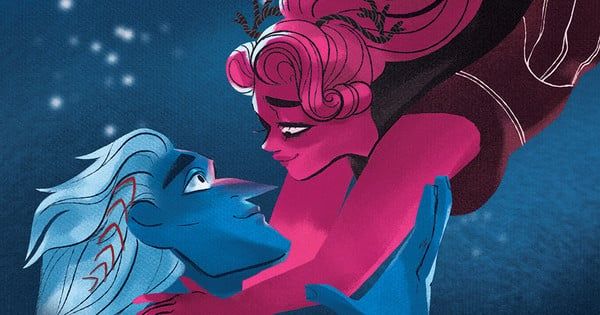
Lore Olympus is a contemporary romantic dramedy that reimagines the ancient Greek myth of Hades and Persephone. Set in a vibrant, modern-style Olympus, the story explores their complex relationship against a backdrop of godly politics, trauma, and personal growth. The webcomic is renowned for its distinctive art style, characterized by a limited but impactful color palette where Hades is depicted in shades of blue and Persephone in pink.
Since its debut on WEBTOON in 2018, the series has amassed a colossal following. It boasts billions of cumulative views, consistently tops platform charts, and has won prestigious awards including the 2021 and 2022 Eisner Awards for Best Webcomic. Its success is not merely in numbers; it has fostered a deeply engaged community that dissects every episode, creating fan art, theories, and extensive discourse on the characters' modernized psychological depth, which forms the core of its appeal beyond the mythological framework.
The Production Powerhouse Behind the Animation
Key Studios and Creative Voices Taking the Helm
The animated series will be produced by a collaboration between The Jim Henson Company and WEBTOON Studios. The involvement of The Jim Henson Company, a legacy name synonymous with innovative puppetry and fantasy storytelling, suggests a potential for unique visual and practical effects blended with digital animation. WEBTOON Studios, the production arm of the comics platform, will work to ensure the adaptation remains faithful to the source material's spirit.
While a showrunner has not been officially named, the announcement confirms that original creator Rachel Smythe will serve as an executive producer on the project. This level of creative involvement is crucial for fans, as it promises the adaptation will retain the narrative nuance and emotional tone that defined the webcomic. The specific animation studio handling the day-to-day production and the animation style—whether 2D, 3D, or a hybrid—remain key details yet to be revealed, according to the animenewsnetwork.com report.
A Strategic Move in the Streaming Content Wars
Why Amazon Prime Video Made This Play
Amazon's acquisition of Lore Olympus is a calculated move in the intense competition for subscriber attention. The series offers a proven, pre-sold audience of millions, dramatically reducing the marketing guesswork and risk associated with entirely original intellectual property. It aligns with Amazon's broader strategy of developing fantasy and romance genre content, as seen with series like The Wheel of Time and The Summer I Turned Pretty, but with a fresh, visually distinct source.
Furthermore, this adaptation allows Amazon to tap directly into the lucrative and demographically broad WEBTOON user base, which skews heavily toward Gen Z and millennial audiences. Securing a title with such strong female and LGBTQ+ readership also helps diversify a content library that is constantly evaluated for its appeal across different viewer segments. The global nature of the webcomic's fandom provides a built-in international audience, a critical factor for streaming platforms looking to grow beyond their home markets.
The Intricate Challenge of Adaptation
Translating a Visual Language from Static Panels to Motion
Adapting Lore Olympus presents unique artistic challenges. The webcomic's storytelling is intrinsically tied to its format: the vertical scroll, the pacing of reveals within a single image, and the emotional weight carried by its stylized character expressions and color symbolism. Translating this into a flowing, time-based medium like animation requires rethinking scene composition, pacing, and how to preserve the iconic visual shorthand that readers have come to love.
Another significant challenge is condensing hundreds of webcomic episodes, which often function as short, impactful vignettes, into a structured season of television with multi-act episodes. The adaptation team must decide what subplots to streamline, which character moments are essential, and how to maintain the slow-burn romantic tension that is a hallmark of the series. Failing to capture the specific emotional cadence of the comic risks alienating the core fanbase, whose devotion is the project's primary asset.
Broader Implications for the Webcomic and Webtoon Industry
A Rising Tide for Digital Creators
The Lore Olympus deal is arguably the most high-profile adaptation of a webcomic originating on a platform like WEBTOON, setting a powerful precedent. It demonstrates to other digital platforms and traditional studios that these vertically-scrolled stories are not just passing internet trends but are rich reservoirs of adaptable narrative with immense commercial potential. This could trigger a new gold rush for webcomic rights, increasing the value of top-tier titles and providing more creators with a tangible path from digital publishing to screen.
However, this also raises questions about the sustainability and equity of such deals for the broader creator community. Will this benefit only the platform's absolute top performers, or will it trickle down to mid-list creators? Furthermore, it places pressure on webcomic platforms to develop more robust production and rights-management arms to compete, potentially changing their fundamental relationship with creators from that of a host to a co-producer and rights holder, a shift with complex contractual implications.
Historical Context: Myths in Modern Media
The Enduring Cycle of Mythological Retellings
The adaptation of Lore Olympus continues a long tradition of reinterpreting classical mythology for contemporary audiences, a cycle that has persisted for millennia. From ancient Greek playwrights adapting Homer to Renaissance paintings and modern films like Disney's Hercules or the Clash of the Titans franchise, these stories are constantly remade. What distinguishes this current wave, exemplified by Lore Olympus, Percy Jackson, and novels like Circe, is a focus on psychological realism, feminist perspectives, and exploring the trauma of immortal beings.
This modern approach often seeks to rehabilitate or complicate traditionally villainized figures—like Hades, who is frequently portrayed as a mere kidnapper in the original myth. By setting these stories in contemporary or alternate-modern settings, creators like Smythe make ancient themes of power, consent, love, and family dysfunction immediately relatable. The success of Lore Olympus suggests audiences are hungry for myths that don't just recount epic battles but delve into the emotional and ethical complexities of godhood, a trend likely to influence future adaptations in the space.
Anticipated Impact on Character Representation and Voice
The Crucial Casting Decisions Ahead
One of the most anticipated and scrutinized aspects of the production will be the voice cast. The characters in Lore Olympus have lived in readers' minds for years with specific, fan-imagined voices. Casting choices will need to capture Hades' world-weary melancholy and dry humor, Persephone's evolution from naive youth to powerful force, and the vibrant, often chaotic energy of the supporting pantheon, including Zeus, Aphrodite, and Eros. The pressure to match fan expectations is immense.
Furthermore, the adaptation presents an opportunity for inclusive casting that reflects the global audience. The characters, while based on Greek myths, are drawn with diverse body types and exist in a fantastical world, opening the door for voice actors from a wide range of ethnic backgrounds. This decision will be a clear signal of the producers' approach to modernization. Will they prioritize star power for marketing, or seek voices that uniquely embody the characters as fans hear them? This remains one of the project's biggest unanswered questions.
Potential Risks and Creative Pitfalls
Navigating the High Expectations of a Devoted Fandom
With a fanbase as large and passionate as that of Lore Olympus, the adaptation faces the inherent risk of failing to meet sky-high expectations. Any perceived deviation from character essence, simplification of complex plotlines, or alteration of key romantic moments could trigger significant backlash on social media, which can impact a show's reception from its debut. The production must walk a fine line between making necessary changes for the new medium and preserving the story's soul.
Another risk lies in the visual translation. If the animation style is too simplistic or fails to capture the emotional depth of Smythe's character expressions, it could fall flat. Conversely, a style that is too divergent from the source material's aesthetic might alienate the core audience. The team must also handle the series' mature themes—which include discussions of trauma, abuse, and consent—with the same care and nuance as the webcomic to avoid trivializing them or triggering audiences unintentionally, a challenge in moving from a personally-paced reading experience to a broadcast format.
The Road to Release: What We Know and What We Don't
Timeline, Format, and Global Distribution
According to the initial report, a specific release date or even a target year for the series premiere has not been announced. The development and production of a high-quality animated series is a lengthy process, often taking several years from announcement to release. The number of episodes per season and the total episode count are also undisclosed, leaving fans to speculate whether the adaptation will attempt to cover the entire webcomic saga or focus on its first major narrative arc.
What is clear is that the series will be a global release on Amazon Prime Video, making it simultaneously available to its international fanbase. This immediate worldwide access is a modern advantage that the serialized webcomic itself enjoyed, contrasting with the staggered international releases common in past media. However, questions about regional marketing, potential dubs for non-English markets, and how the platform will handle the series' discovery algorithmically amidst its vast library remain open for now, as per the information available from animenewsnetwork.com on January 23, 2026.
Perspektif Pembaca
The adaptation of Lore Olympus is more than just another show announcement; it's a test case for the future of digital storytelling. Its success or failure will send ripples through the webcomic industry, streaming strategy meetings, and creative circles.
What element of the original webcomic do you believe will be the most challenging to translate into animation, and why? Is it the distinctive color-coded character design, the internal monologue-driven pacing, or the handling of its sensitive thematic material? Share your perspective on the key to a faithful and successful adaptation.
Alternatively, consider this: Does the mainstream adaptation of a once-niche webcomic enhance the original community's experience, or does it inevitably change the nature of the fandom itself? We invite readers to reflect on how the journey from curated digital scroll to global streaming spectacle might reshape the way we engage with these modern myths.
#LoreOlympus #AnimeAdaptation #AmazonPrimeVideo #WEBTOON #RachelSmythe


