

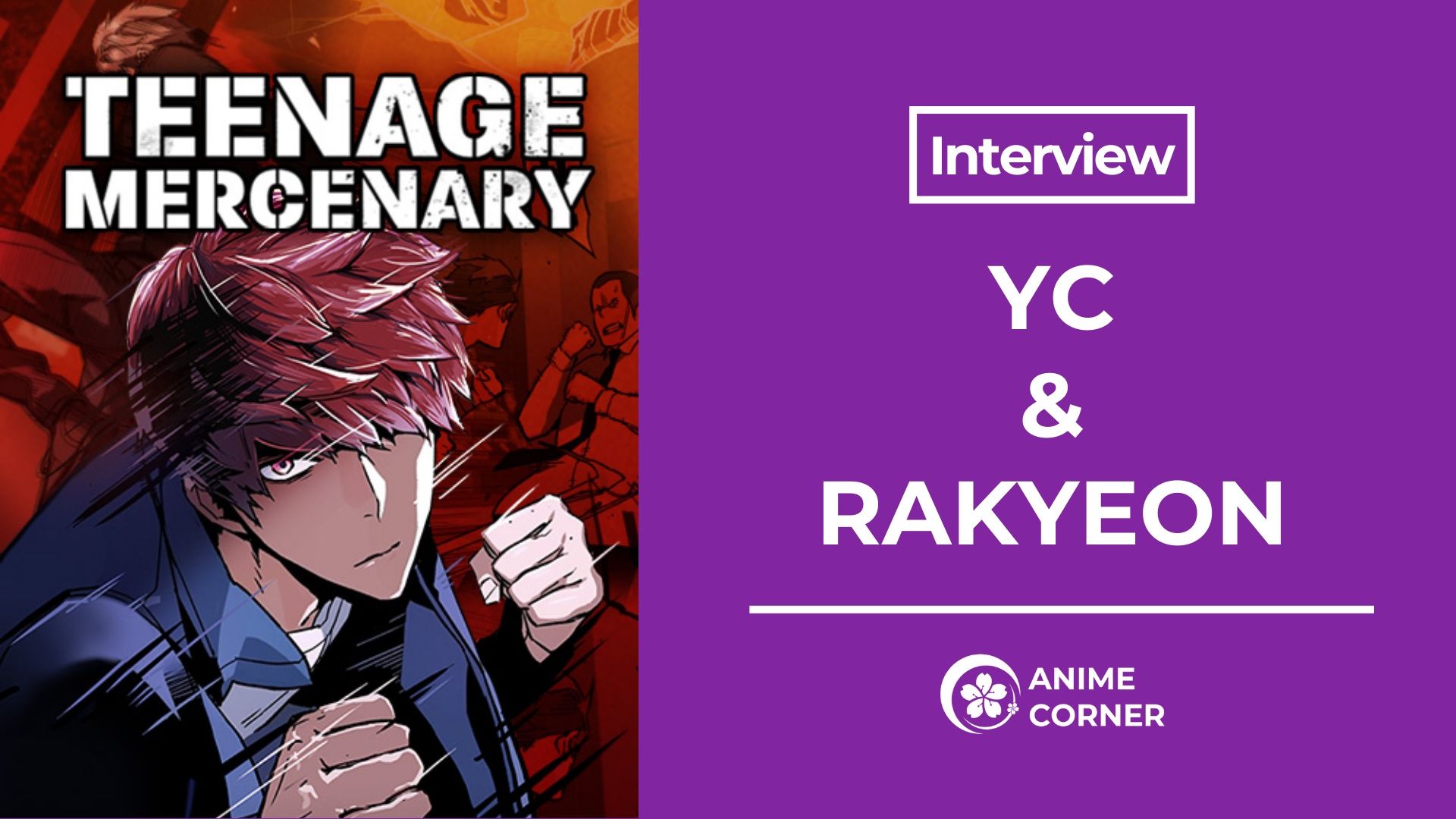
From Webtoon to Screen: The Creators of 'Teenage Mercenary' on Crafting a Global Hit

📷 Image source: static.animecorner.me
The Genesis of a Mercenary
How a Webtoon Found Its Pulse
The journey of 'Teenage Mercenary' from a digital comic to a streaming sensation is a story of creative synergy. According to animecorner.me, the project began with the original webtoon by YC (Yoo Chan), which first captivated readers with its blend of high-stakes action and a surprisingly vulnerable protagonist. The adaptation process brought director Rakyeon into the fold, tasked with translating the comic's dynamic energy into a moving narrative.
In an interview featured on animecorner.me, Rakyeon revealed the initial draw. 'When I first read the original work, I was fascinated by the main character, Ijin Yu,' the director stated. This immediate connection to the core character became the foundation for the entire adaptation, setting a clear path from page to screen.
Ijin Yu: More Than a Soldier
Deconstructing the Protagonist's Appeal
At the heart of 'Teenage Mercenary' is Ijin Yu, a teenager returning to ordinary school life after a childhood spent as a mercenary. The creators emphasized that his appeal lies in this stark contradiction. YC, the original author, crafted a character whose expertise in combat is matched only by his naivety in social situations. This creates a constant, compelling tension.
Rakyeon elaborated on this duality in the animecorner.me interview. 'He is a character who has experienced the extreme environment of the battlefield, so he has a different perspective and set of values from ordinary people,' the director explained. The creative challenge, and ultimately the narrative hook, was placing this uniquely hardened individual into the mundane, often confusing world of high school, allowing for both intense action and genuine character growth.
The Adaptation Philosophy
Fidelity Versus Cinematic Language
Adapting a visually rich webtoon presents a specific set of challenges. Fans have certain expectations for iconic scenes and character designs, yet animation demands its own flow and pacing. Rakyeon addressed this balance directly. The goal was never a shot-for-shot replication but an evolution that captured the source material's spirit.
According to the animecorner.me report, Rakyeon's approach was methodical. 'We tried to preserve the original's strengths while adding the vitality that only moving images and sound can provide,' the director said. This meant analyzing which webtoon panels held the most emotional or action-packed weight and determining how to expand those moments cinematically, using camera movement, choreography, and score to heighten what readers originally imagined.
Crafting the Action Sequences
Where Choreography Meets Character
Action is a cornerstone of 'Teenage Mercenary,' but for the creators, it had to be purposeful. Each fight scene is designed not just as spectacle but as an extension of Ijin Yu's character and history. His movements aren't flashy for the sake of it; they are efficient, brutal, and born of survival instinct, contrasting sharply with more theatrical combat styles.
The animecorner.me interview highlights how this philosophy guided production. The animation team studied real-world military and close-quarters combat techniques to ground Ijin's abilities in a believable reality, even within the story's dramatic framework. This attention to detail ensures that every confrontation advances the plot or reveals a new facet of the protagonist, preventing the action from becoming mere background noise.
Building the World Around Ijin
School Life as the Ultimate Battlefield
Perhaps the most crucial creative decision was treating the high school setting with as much narrative importance as the battlefield flashbacks. The ordinary world of tests, friendships, and school bullies is where Ijin faces his most unfamiliar challenges. His classmates are not just filler characters; they represent the normal life he was denied and must now learn to navigate.
Rakyeon pointed out that this juxtaposition is key to the story's emotional resonance. The peaceful school environment amplifies the tension when Ijin's past intrudes, and conversely, his violent skillset often creates unintended social consequences. This constant clash of worlds is what drives both the plot and Ijin's personal development, making his struggle to belong as gripping as any physical fight.
The Sound of Conflict and Calm
Auditory Storytelling in a Dual World
The sound design and musical score play a pivotal role in delineating Ijin's two realities. The animecorner.me discussion touched on how the audio landscape shifts dramatically between the tense, percussive sounds associated with his mercenary past and the more melodic, ambient tracks used for school life. This auditory cue helps viewers instantly recognize which aspect of Ijin's psyche or history is being engaged in a given scene.
Voice acting, particularly for the protagonist, was another critical focus. The performance needed to convey a layered personality: the flat, controlled affect of a soldier, occasionally punctuated by flashes of genuine teenage curiosity or frustration. Finding the right vocal balance was essential for selling the character's internal conflict without resorting to overt exposition.
Global Resonance and Cultural Translation
Why the Story Crosses Borders
'Teenage Mercenary' joins a wave of Korean webtoon adaptations finding massive international audiences. The creators, speaking through animecorner.me, acknowledged this global reach but focused on the universal themes that enable it. The core narrative of an outsider trying to find their place, coupled with the visceral language of action, transcends cultural specifics.
The story's structure also aids its accessibility. While set in a recognizably Korean context, the emotional beats—trauma, the desire for connection, the struggle to define oneself beyond one's past—are fundamentally human. The production treated these themes with sincerity, ensuring that the adaptation felt specific in its setting but broad in its emotional appeal, a formula that clearly resonates with viewers worldwide.
Looking Beyond the First Mission
The Future of the Series and Its Characters
While the interview on animecorner.me primarily discusses the established adaptation, it naturally invites speculation about the future. The webtoon source material offers a deep narrative well, and the successful translation to screen establishes a strong foundation. The creators' clear understanding of the protagonist's journey—from a isolated weapon to a person learning to connect—provides a solid roadmap for potential future seasons.
The ultimate success of 'Teenage Mercenary' lies in this cohesive vision. By starting with a deep respect for the original character and his central conflict, the adaptation team built a world that feels both expansive and intimate. It proves that a story about a teenage mercenary isn't just about the fights he wins, but about the fragile, ordinary life he is fighting to win for himself. This human core, expertly translated from panel to screen, is what secures its place as a standout title in the global animation landscape. (animecorner.me, 2026-01-01T11:03:05+00:00)
#TeenageMercenary #WebtoonAdaptation #AnimeInterview #IjinYu #AnimeProduction


