

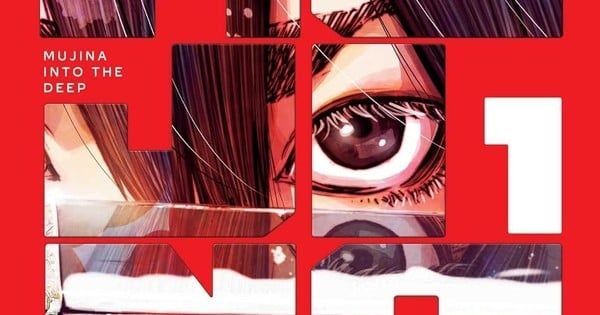
Mujina Into the Deep Concludes First Major Story Arc as Manga Enters Climactic Final Battle

📷 Image source: animenewsnetwork.com
The Final Confrontation Begins
Manga's First Major Story Cycle Reaches Its Pivotal Moment
The popular manga series 'Mujina Into the Deep' has entered its climactic final battle, marking the conclusion of what its creators are calling 'Season 1.' According to animenewsnetwork.com, this development signals the end of the first major story arc for the supernatural adventure series. The announcement, made on January 13, 2026, positions this battle as a decisive turning point for the characters and the world they inhabit.
This narrative milestone is significant for readers who have followed the series since its inception. The term 'Season 1,' while uncommon in traditional manga publishing, suggests a deliberate, long-form story structure divided into distinct parts, similar to television series or modern webcomics. The move indicates a planned narrative with clear beginning, middle, and end points for this initial saga, offering a satisfying conclusion while potentially setting the stage for future stories.
Understanding the 'Season' Model in Manga
A Structural Shift in Serialized Storytelling
The explicit labeling of this story segment as a 'season' represents an interesting evolution in manga serialization. Traditionally, manga in magazines like Weekly Shonen Jump run continuously until conclusion, with arcs flowing into one another. The 'season' model, however, implies a planned hiatus or a clear demarcation between this story and the next. This approach allows for more focused storytelling and gives the creative team a natural break point for reflection and planning.
This structural choice may influence reader expectations and engagement. It creates a definitive entry point for new readers to jump in at the start of a new 'season,' potentially broadening the audience. For long-time fans, it promises a conclusive payoff to the ongoing plot threads, reducing the risk of endless serialization without resolution. The model's success with 'Mujina Into the Deep' could encourage other creators and publishers to adopt similar frameworks for long-running series.
The World of Mujina Into the Deep
A Blend of Folklore and Original Mythos
'Mujina Into the Deep' builds its world on a foundation of Japanese folklore, specifically drawing from the myth of the 'mujina.' In traditional tales, a mujina is a shapeshifting badger or raccoon dog spirit, often a trickster figure. The manga expands this concept, reimagining these spirits and their connection to a hidden, deep world beneath the surface of modern Japan. The protagonist's journey involves navigating this dangerous, mystical realm.
The series' appeal lies in its fusion of familiar yokai (supernatural monster) lore with original world-building. It explores themes of identity, the clash between the ancient and the modern, and the hidden truths beneath everyday life. The impending final battle for Season 1 is the culmination of the protagonist's initial understanding of this world, likely forcing a confrontation with the major antagonistic forces introduced throughout the arc. The stakes involve not just personal survival but potentially the balance between the human world and the 'Deep.'
The Creative Engine Behind the Series
Authorial Vision and Serialization Demands
While the animenewsnetwork.com report does not include direct quotes from the author or publisher, the decision to structure the story into seasons points to a specific creative strategy. It suggests a narrative planned in broad strokes from the beginning, rather than one developed week-to-week indefinitely. This can lead to tighter plotting, more consistent foreshadowing, and stronger character arcs, as the end goal is in sight from the early chapters.
This method also impacts the production schedule and the health of the creative team. The grueling pace of weekly manga serialization is notorious. A seasonal model could, in theory, allow the author and assistants a reprieve between major arcs, potentially leading to higher sustained quality and better well-being for the creators. However, the source material does not specify if a break will follow Season 1's conclusion, leaving the publication schedule for a potential Season 2 uncertain.
Positioning Within the Supernatural Adventure Genre
Standing Out in a Crowded Field
The supernatural adventure genre in manga is densely populated with iconic series. For a new title like 'Mujina Into the Deep' to gain traction, it must offer a unique hook. Its use of the less mainstream mujina folklore, as opposed to more common spirits like kitsune (foxes) or oni (ogres), provides distinct mythological texture. The 'Into the Deep' subtitle hints at a subterranean or layered world exploration, differentiating it from urban fantasy settings confined to city streets.
The seasonal structure itself is a point of differentiation. It communicates a modern, perhaps more Western-influenced, approach to serialization that may appeal to a global audience accustomed to seasonal TV shows. This structural clarity can be a marketing strength, assuring readers of narrative progression and conclusion. The final battle for Season 1 will be the ultimate test of whether its unique folklore and structured storytelling have successfully carved out a lasting space for the series in the competitive genre landscape.
Reader Investment and Payoff
The Weight of a Climax After a Long Build-Up
For the audience, the announcement of a final battle brings anticipation for payoff. Readers invest time and emotional energy in following serialized stories. A clearly signaled climax validates that investment, promising that plot threads will be addressed and character journeys will reach a milestone. The risk, however, is that the climax may not meet heightened expectations, a challenge for any long-form narrative reaching its peak.
The 'Season 1' label manages these expectations by implying this is an ending, but not necessarily *the* ending. It resolves the core conflict of the first major arc while potentially opening larger questions for the future. This can satisfy readers looking for closure while retaining their interest for what comes next. The success of this final battle sequence will be crucial in determining whether the audience feels the journey was worthwhile and remains eager for the story to continue after the seasonal break.
Comparative Story Structures in Global Comics
Manga Seasons Versus Western Comic Arcs
The concept of a 'season' in manga invites comparison with storytelling structures in Western comics. American comic books from major publishers like Marvel and DC have long used defined story arcs, often collected in trade paperbacks, but these exist within a largely continuous, never-ending superhero narrative. Independent and creator-owned comics, however, frequently adopt finite series or clear seasonal volumes, similar to the model 'Mujina Into the Deep' is using.
This reflects a broader, global trend in serialized visual storytelling towards more structured, novel-like forms. Korean webtoons and manhwa often release in distinct seasons. The approach helps in managing complex plots and provides natural points for adaptation into animated seasons. By adopting this model, 'Mujina Into the Deep' aligns itself with an international standard for long-form serialized fiction, potentially making it more legible and appealing to a global market that consumes stories in seasonal chunks.
Implications for Media Adaptation
A Ready-Made Blueprint for Anime or Film
A manga structured into clear seasons presents an attractive proposition for adaptation into anime or live-action. The 'Season 1' finale provides a natural endpoint for a first anime season or a film trilogy's first installment. Studios can adapt a complete narrative unit with a satisfying climax, reducing the risk of animating an ongoing story that might later falter or be canceled. This structure de-risks investment in the property.
Furthermore, the defined arc allows scriptwriters to plan a adaptation with a strong three-act structure built directly from the source material. The final battle serves as the adaptation's own climax, ensuring a powerful finale for viewers. If the manga's Season 1 is successful, it builds a proven story framework that media partners can confidently invest in. The announcement of the final battle, therefore, isn't just a manga milestone; it could be seen as strengthening the series' credentials for a future jump to screen.
The Business of Finales
Sales, Collections, and Marketing Cycles
From a publishing business perspective, a major finale drives commercial activity. It boosts engagement in the serializing magazine, can increase volume (tankobon) sales as readers rush to catch up, and creates buzz. The collection of the complete 'Season 1' into a box set or a series of definitive volumes becomes a straightforward marketing campaign. Publishers can promote the 'complete first saga' to new readers, lowering the barrier to entry compared to a series with 50+ ongoing volumes.
This model also creates a predictable product cycle. After Season 1 concludes, there is a marketable product—the full story arc—that can be promoted indefinitely. The hiatus before a potential Season 2 allows the market to absorb the existing volumes and builds anticipation for the return. It transforms the series from a perpetual serial into a series of discrete, collectible novel-like experiences, which can be a powerful driver for both backlist sales and future launches.
Unanswered Questions and Future Trajectory
What Lies Beyond the Battle?
While the final battle concludes Season 1, it inevitably leaves questions about the future. The source report from animenewsnetwork.com does not specify the fate of the series post-battle. Will there be a definitive hiatus? Is Season 2 already in planning stages? The aftermath of the climax will determine the new status quo for the characters. A victory could establish them in the world differently, while a pyrrhic win or a loss could force a dramatic reset for the next season.
The uncertainty extends to the scope of the world itself. Season 1 likely explored a specific layer or region of the 'Deep.' A future season could expand the map, introduce higher-tier threats, or delve deeper into the mythology's origins. The final battle's outcome will set the thematic direction: will the next arc be about reconstruction, escalation, or exploration? The lack of confirmed information about post-Season 1 plans is a deliberate cliffhanger, keeping the audience speculating and engaged during the conclusion.
Perspektif Pembaca
The structured, seasonal approach to manga storytelling represents a significant shift. For readers, it promises more planned narratives and satisfying climaxes, but it also changes the traditional week-to-week relationship with a long-running series.
What is your perspective on this model? Do you prefer manga with clearly defined seasonal arcs and planned conclusions, or do you value the traditional, open-ended serialization that can continue for decades, allowing a world to grow organically with its audience? Share your view on which storytelling structure you find more rewarding as a long-term reader.
#MujinaIntoTheDeep #Manga #Season1 #FinalBattle #JapaneseFolklore


