

Seven Anime Landmarks That Redefined the Medium and Its Global Reach

📷 Image source: comicbook.com
The Pioneers of a Global Phenomenon
How Seven Series Forged Anime's Path
Anime's journey from a niche Japanese art form to a dominant force in global entertainment wasn't accidental. According to comicbook.com, a select group of series served as cultural and industrial turning points, fundamentally altering how animation is created, perceived, and consumed worldwide. These titles didn't just tell stories; they broke molds, set new standards, and opened doors for everything that followed.
While modern audiences enjoy an unprecedented deluge of content, it's worth asking: which foundational works built the very pipeline they now watch? The report identifies seven iconic series whose influence resonates far beyond their original broadcast, shaping genres, business models, and artistic ambitions for decades.
Astro Boy: The Genesis of a Style and an Industry
Osamu Tezuka's Visionary Blueprint
Any discussion of transformative anime must begin with 'Astro Boy' (known in Japan as 'Tetsuwan Atom'). As comicbook.com notes, this series, created by the "God of Manga" Osamu Tezuka, did more than just debut in 1963. It effectively established the template for the entire Japanese television animation industry. Tezuka's studio, Mushi Production, pioneered production techniques and budgeting models that made weekly animated series economically viable.
The show's aesthetic—with its large, expressive eyes and simplified yet dynamic character designs—became a cornerstone of the anime visual language. But its impact was also thematic. 'Astro Boy' grappled with complex ideas about humanity, artificial intelligence, and social prejudice, proving that animated series aimed at a broad audience could carry significant philosophical weight. It was the first anime many overseas viewers ever saw, planting the initial seed for the medium's international future.
Mobile Suit Gundam: The Real Robot Revolution
Before 1979's 'Mobile Suit Gundam,' giant robots in anime were often mystical or super-powered entities. The report states that director Yoshiyuki Tomino's series changed all that by introducing the "Real Robot" genre. The mobile suits in Gundam were portrayed as complex, mass-produced weapons of war, complete with logistical concerns, pilot training, and political maneuvering.
This grounded, militaristic approach transformed the mecha genre from simple superhero tales into sprawling, politically-charged space operas. The commercial strategy was equally revolutionary. While the series initially struggled in ratings, its model kit line, Gunpla, became a billion-dollar enterprise. This proved that a franchise could thrive through multimedia expansion, a business model that countless anime and toy partnerships have emulated ever since. Gundam created a blueprint for serious, adult-oriented science fiction in anime that continues to influence narratives today.
Dragon Ball: Defining the Battle Shonen Genre
When discussing anime that shaped global perceptions, 'Dragon Ball' and its sequel 'Dragon Ball Z' are inescapable. According to comicbook.com, Akira Toriyama's creation didn't just popularize the battle shonen genre; it codified its most enduring tropes. The concept of a hero who constantly trains, achieves new transformative power levels, and faces ever-stronger enemies in epic, multi-episode battles was perfected here.
Its international broadcast, particularly in Europe and the Americas, created a generation of anime fans. The series demonstrated the massive overseas market for action-oriented anime and paved the way for the shonen genre's current global dominance. The pacing, power escalation, and tournament arcs seen in 'Dragon Ball Z' became a foundational structure for countless successors, from 'Naruto' to 'My Hero Academia,' making it perhaps the most influential template in modern shonen storytelling.
Sailor Moon: The Magical Girl Grows Up
A Feminist Landmark and Global Merchandising Powerhouse
Naoko Takeuchi's 'Sailor Moon' redefined its genre and audience. As the report highlights, it transformed the "magical girl" trope from a solitary heroine with cute adventures into a story about a team of female warriors fighting evil, complete with elaborate transformation sequences and continuous plot arcs. Its themes of friendship, love, and female empowerment resonated powerfully with a vast, diverse viewership.
'Sailor Moon' was also a merchandising juggernaut that proved the immense commercial power of a female-targeted anime franchise. Its success in the 1990s, especially through dubbed versions abroad, was instrumental in attracting a massive female fanbase to anime in the West. It showed networks and distributors that anime for girls could be just as successful and culturally significant as action series for boys, broadening the medium's perceived demographic appeal internationally.
Neon Genesis Evangelion: Deconstructing the Mecha and the Mind
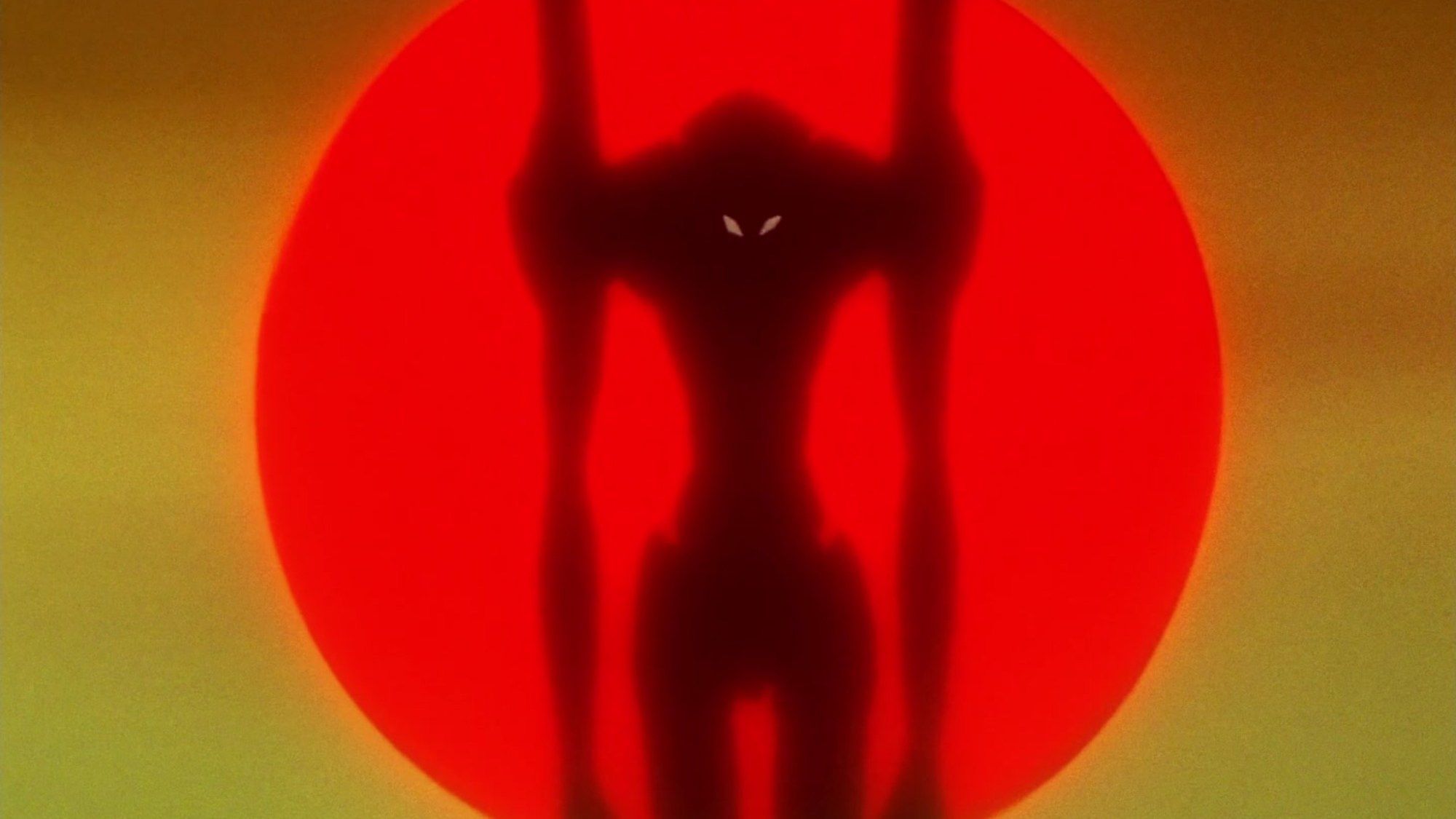
In 1995, Hideaki Anno's 'Neon Genesis Evangelion' delivered a seismic shock to the anime landscape. Comicbook.com describes it as a series that deconstructed the mecha genre and the very psyche of its characters. It replaced straightforward heroics with intense psychological drama, religious symbolism, and deep explorations of trauma, depression, and human connection.
The series' controversial, avant-garde finale challenged narrative conventions and audience expectations in an unprecedented way, sparking debates that continue decades later. 'Evangelion' proved that anime could be a vessel for deeply personal, arthouse expression on a mainstream television budget. Its influence is seen in the willingness of subsequent creators to explore darker, more psychologically complex themes and to prioritize director-driven vision over straightforward commercial appeal, elevating the medium's artistic prestige.
Pokémon: The Unstoppable Cross-Media Empire
While many series are influential within anime, 'Pokémon' transcended the medium to become a global cultural constant. The report points out that the anime series, launched in 1997 as a companion to the video games, was the engine that drove the franchise's worldwide explosion. The adventures of Ash Ketchum and Pikachu made the complex world of Pokémon accessible and emotionally engaging for children everywhere.
Its "catch-em-all" philosophy and endless journey narrative created perfect conditions for merchandising, trading card games, and sustained narrative longevity. 'Pokémon' demonstrated anime's potential as the central pillar of a transmedia empire, seamlessly integrating with games, toys, and cards. It normalized anime aesthetics for a global generation in a way no previous series had, making it many viewers' first and most enduring encounter with Japanese animation.
Attack on Titan: A New Benchmark for Global Simultaneity
The Streaming Era's First Anime Blockbuster
Representing the modern era, 'Attack on Titan' (Shingeki no Kyojin) showcased a new model for global success. According to comicbook.com, its arrival coincided with the rise of legal streaming platforms, allowing for near-simultaneous worldwide release. This eliminated the delay that had previously segmented anime fandom and created a truly global, real-time viewing event.
The series' cinematic animation quality, relentless pacing, and morally complex, unforgiving narrative set a new benchmark for production values and mature storytelling in TV anime. It proved that a manga adaptation could become a worldwide sensation on par with major Western television dramas, attracting viewers who previously had no interest in anime. 'Attack on Titan' exemplified how the digital distribution era could amplify a series' impact, making it a defining hit for a new generation of international fans.
The Enduring Legacy of Innovation
The influence of these seven series, as cataloged by comicbook.com, is not confined to history. Their DNA is visible in today's industry: in the structure of hit shonen series, the depth of modern character writing, the global release strategies, and the artistic risks creators are now encouraged to take. Each series, from 'Astro Boy' to 'Attack on Titan,' solved a different puzzle—whether artistic, narrative, or commercial—and in doing so, expanded the possibilities for everyone who followed.
They remind us that anime's global dominance was built not by a single trend, but by successive waves of innovation. These landmark titles changed history by refusing to accept the limits of their time, whether those limits were budgetary, thematic, or geographical. Their stories continue not just in reruns, but in the very fabric of the medium they helped to shape. As the industry evolves with new technologies and platforms, the foundational lessons from these pioneers—about compelling storytelling, artistic integrity, and connecting with a audience—remain more relevant than ever.
#AnimeHistory #AstroBoy #MobileSuitGundam #DragonBall #AnimeInfluence #GlobalAnime


