

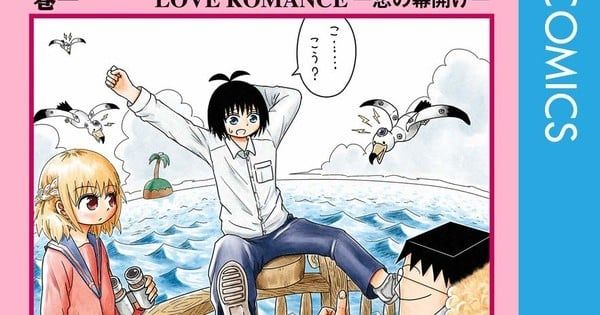
The Final Voyage: Daiki Ihara's 'Koisuru One Piece' Manga Sets Sail for Its Last Chapter

📷 Image source: animenewsnetwork.com
A Spinoff's Journey Comes to Port
Official Announcement Confirms Final Chapter Date
The romantic seas of 'Koisuru One Piece' are about to grow still. According to an official announcement reported by animenewsnetwork.com on 2026-01-15T07:27:16+00:00, Daiki Ihara's manga spinoff will publish its final chapter on January 22. This marks the conclusion of a series that has offered fans a distinct, love-centered perspective within the expansive world created by Eiichiro Oda.
'Koisuru One Piece,' which translates to 'Loving One Piece,' is a shōjo manga that reimagines the franchise's iconic characters and adventures through a romantic comedy lens. The series launched in 2020, running in Shueisha's 'Margaret' magazine, a publication known for its focus on stories for young women. Its conclusion after several years represents a significant moment for a niche but dedicated segment of the 'One Piece' fandom.
Understanding the Spinoff Genre
How 'Koisuru One Piece' Carved Its Own Niche
In the vast ocean of manga, spinoffs serve as tributaries that explore specific themes or genres not fully developed in the main series. 'Koisuru One Piece' is a quintessential example, taking the established characters and settings of the world's best-selling manga and transplanting them into a shōjo romance framework. This involves a fundamental shift in narrative priorities, where emotional relationships and comedic misunderstandings take precedence over epic battles and political intrigue.
The manga's existence highlights a common strategy in Japanese media to expand a franchise's reach across demographic lines. By presenting Luffy, Zoro, Nami, and the rest of the Straw Hat Pirates in scenarios focused on dating, crushes, and school life, it appealed to readers who might not typically engage with the action-packed main story. This approach tests the flexibility of the original character archetypes, asking if their core personalities can sustain narratives in a completely different genre.
The Creative Helm: Daiki Ihara's Role
A Mangaka's Interpretation of a Pop Culture Titan
The task of steering this romantic interpretation fell to mangaka Daiki Ihara. While specific details about Ihara's career prior to this series are not provided in the source material, taking on a spinoff of 'One Piece' is a formidable creative challenge. The mangaka had to operate within strict boundaries defined by Eiichiro Oda's original designs and characterizations while injecting enough original flair to make the story stand on its own.
This balancing act is central to any official spinoff. Ihara's work required a deep understanding of the source material to ensure characters felt recognizable, even in absurd romantic scenarios. Simultaneously, the mangaka needed the comedic and romantic sensibilities to craft engaging shōjo plots. The series' multi-year run suggests Ihara successfully navigated these waters, finding an audience that appreciated this unique blend of high-seas adventure and heartfelt comedy.
The Mechanics of a Manga Conclusion
What 'Ending' Means in Serialized Publication
The announcement that a manga will 'end' on a specific date refers to the publication of its final chapter in the magazine serialization. For 'Koisuru One Piece,' the last installment will appear in the February 2026 issue of 'Margaret' magazine, which typically hits newsstands in late January. This is a planned conclusion, indicating the story has reached its natural endpoint as envisioned by the creator, rather than being abruptly canceled.
Following the serialization's end, the chapters are almost invariably collected into tankōbon volumes—the paperback collections familiar to most readers. These volumes often include bonus content, author notes, or revised artwork. While the source announcement does not confirm future volume releases, it is the standard industry practice. This allows the complete story to be preserved and accessed by new readers long after the final magazine chapter has been published.
Franchise Expansion and Its Limits
Weighing the Benefits and Drawbacks of Spinoffs
The creation of series like 'Koisuru One Piece' offers clear benefits for intellectual property holders. It keeps a franchise actively in the public eye through multiple publications, caters to diverse audience segments, and can generate additional revenue streams. For fans, it provides fresh content and novel interpretations of beloved characters during breaks in the main series' publication schedule. It can also serve as a gentler introduction to a massive franchise for newcomers.
However, spinoffs also carry inherent risks and limitations. There is always a possibility of diluting the core brand or presenting character interpretations that clash with the vision of the original creator or the expectations of long-time fans. The success of a spinoff is never guaranteed; it must compete in a crowded market. Furthermore, by nature, a spinoff exists in the shadow of its source material, often limiting its narrative scope and ultimate impact within the franchise's overarching canon.
A Global Perspective on Spinoff Culture
How Japan's Approach Compares Internationally
The practice of creating genre-bending spinoffs is particularly robust in the Japanese manga and anime industry. Series like 'Koisuru One Piece,' 'Attack on Titan: Junior High,' or 'Rock Lee's Springtime of Youth' take serious, action-oriented properties and reimagine them as comedies or romances. This reflects a willingness to experiment with iconic characters and a view of franchises as flexible sandboxes rather than rigid, singular narratives.
This contrasts with common practices in Western comic book and film franchises, where spinoffs more frequently stay within the same genre—think of a superhero getting a darker, more detective-focused series. The Japanese model of radical genre shifts demonstrates a distinct commercial and creative confidence. It assumes the core character concepts are strong enough to survive and entertain in wildly different settings, a theory that 'Koisuru One Piece' has tested for its entire run.
The Audience Reaction and Market Niche
Who Reads Romantic Straw Hat Adventures?
The target audience for 'Koisuru One Piece' was primarily readers of 'Margaret' magazine—young women interested in shōjo romance. However, its reach undoubtedly extended to existing 'One Piece' fans curious about an alternative take. This cross-demographic appeal is a key strength of such spinoffs. They can function as gateway titles, potentially drawing romance readers into the broader 'One Piece' universe through a familiar genre framework.
Conversely, some dedicated fans of the main series may dismiss or ignore spinoffs that deviate too far from the original's tone. The conclusion of 'Koisuru One Piece' provides a natural point to assess its legacy within the fandom. Did it succeed in creating a lasting, beloved alternate universe, or will it be remembered as a curious, fleeting experiment? The answer likely varies greatly among different fan communities and regions around the world.
Historical Context of 'One Piece' Spinoffs
A Tradition of Supplementary Stories
'Koisuru One Piece' is not the first derivative work to explore the Grand Line. The franchise has a history of official spinoffs and supplementary materials. These include comedy-focused series like 'One Piece Party' and light novels that delve into backstories. There are also databooks, video games, and the massively successful anime adaptation, each expanding the world in different ways.
This ecosystem of content is typical for a franchise of 'One Piece's' longevity and magnitude. It helps sustain fan engagement over decades. The end of 'Koisuru One Piece' fits into this larger pattern of auxiliary titles having their own lifespans. As one spinoff concludes, it creates space for potential new ones to begin, ensuring the franchise's world continues to grow through multiple creative lenses beyond Eiichiro Oda's direct pen.
The Ripple Effect of an Ending
Impact on Creators, Publishers, and the Magazine
The conclusion of a serialized manga is a coordinated event affecting several parties. For Daiki Ihara, it marks the completion of a major project, freeing the mangaka to pursue new creative endeavors. For Shueisha, the publisher, it opens a slot in the prestigious 'Margaret' magazine's lineup, which will be filled by a new series hoping to capture readers' attention. This cycle of conclusion and debut is the lifeblood of the manga publishing industry.
For the 'One Piece' brand management team, it represents the closing of one specific avenue of expansion, at least for now. They must evaluate the spinoff's performance and audience reception to inform decisions about future non-canonical projects. The end is not merely a stopping point but a moment of data collection and transition, influencing the commercial strategies surrounding one of the world's most valuable media properties.
Looking Beyond the Final Chapter
Legacy and Lasting Presence of the Series
Even after its final chapter is published, 'Koisuru One Piece' will maintain a presence. Its compiled volumes will remain in print and available digitally, allowing for discovery by future readers. Scenes and panels from the manga will continue to circulate on social media and fan sites, often as humorous or cute alternate depictions of the characters. In this sense, the end of serialization is not an erasure but an entry into a different phase of a work's life cycle.
The series also contributes to the academic and critical discussion around adaptation and spinoff culture. It serves as a case study in how character archetypes function across genres and how fan desires for different types of narratives can be met through official channels. While it may not have the canonical weight of the main story, its existence and completion are a documented part of the 'One Piece' phenomenon's history.
Reader Perspective
The end of 'Koisuru One Piece' invites reflection on the role of alternative storytelling within major franchises. For years, this series provided a parallel universe where the stakes were emotional rather than existential, where the greatest threat was a misunderstood confession rather than a world-ending plot. Its conclusion asks us to consider what value such departures from a series' core identity hold.
Do these genre-bending spinoffs enrich a fandom by showcasing the versatility of its characters, or do they ultimately feel inconsequential compared to the primary narrative? Does the completion of a spinoff like this feel like a satisfying farewell to a unique interpretation, or simply a scheduled vacancy in a magazine's table of contents? The answers depend entirely on what each reader seeks from the vast world of a story like 'One Piece.'
#KoisuruOnePiece #OnePiece #Manga #Shoujo #DaikiIhara #MangaEnding


