

The Long-Awaited Return: A Global Look at 2026's Major Isekai Anime Sequels

📷 Image source: comicbook.com
Introduction: The Isekai Resurgence of 2026
A Genre's Promised Return
The anime landscape in 2026 is set for a significant event, defined not by new beginnings but by long-anticipated continuations. According to comicbook.com, the year will witness the return of several major isekai series, a genre where characters are transported to, reborn, or trapped in a parallel universe, often a fantasy world. These are not mere follow-ups; they are sequels fans have been awaiting for years, in some cases for over a decade.
This wave of returning titles highlights the enduring global popularity of isekai, a format that has transcended its Japanese origins to become a worldwide cultural touchstone. The announcement of these sequels, cataloged by comicbook.com on 2026-01-13T21:00:00+00:00, has sparked discussions across international fan communities, from North America to Southeast Asia and Europe, about the evolution of the genre and the patience of its audience.
The Ranking Methodology: Measuring Anticipation in Years
Time as the Ultimate Metric
The original list from comicbook.com employs a clear and emotionally resonant ranking system: the length of the wait between seasons or installments. This metric moves beyond subjective quality, tapping directly into the shared experience of fandom. It quantifies anticipation, measuring the gap in real-world years since the last major anime adaptation or season concluded.
This approach provides a unique lens through which to view these releases. It frames each announcement not just as new content, but as the resolution of a prolonged period of speculation and hope. For global audiences who often consume anime through simulcasts and streaming platforms shortly after their Japanese broadcast, these waits have been a collective experience, with online forums and social media serving as a common ground for enduring the hiatus together.
The Veteran's Comeback: 'The Rising of the Shield Hero' Season 4
A Decade-Long Journey Resumes
Topping the list with the longest hiatus is 'The Rising of the Shield Hero.' According to the source, fans will have waited approximately ten years for its fourth season by the time it arrives in 2026. The series, which follows the maligned hero Naofumi Iwatani, helped define a darker, more cynical sub-genre of isekai often termed 'revenge isekai.' Its return marks a major event for a story that left a significant mark on the 2010s anime scene.
The decade-long gap between seasons three and four is unusually long for a commercially successful franchise, raising questions about production schedules, studio availability, and source material. This extended pause means the returning audience will include viewers who have grown from teenagers into adults, potentially viewing Naofumi's struggles with a new perspective. The global fanbase, which rallied around the protagonist's initial injustice, now awaits to see how his journey concludes after such a substantial real-world intermission.
A Fantasy Epic's Return: 'Mushoku Tensei: Jobless Reincarnation' Part 3
Refining a Genre Benchmark
Ranked second is the third part of 'Mushoku Tensei: Jobless Reincarnation,' with a reported wait of around seven years since its last major anime installment. Often cited as a work that helped popularize the modern isekai genre, its return is highly anticipated. The series is noted for its detailed world-building and the controversial, complex development of its protagonist, Rudeus Greyrat, from a flawed rebirth.
The production studio's commitment to high-quality animation has set a technical benchmark for television anime. The seven-year interval suggests a meticulous, perhaps challenging production process to maintain that standard. Internationally, the series has been a focal point for discussions about narrative maturity in isekai, balancing fantastical adventure with serious themes of trauma and redemption. Its comeback will test whether its nuanced character work continues to resonate on a global scale.
Revisiting a Classic Premise: 'That Time I Got Reincarnated as a Slime' Season 4
The Power of Consistent World-Building
The list indicates a six-year wait for the fourth season of 'That Time I Got Reincarnated as a Slime.' This series represents a more optimistic, nation-building branch of isekai, where the protagonist Rimuru Tempest uses modern knowledge and pacifist ideals to forge a society of monsters. Its consistent release schedule until this point made it a staple, making this longer gap notable for its dedicated fanbase.
The series' appeal lies in its expansive cast and political intrigue, moving beyond solo adventure to the logistics of governance. The six-year hiatus will have allowed the original light novel series to progress significantly, providing ample material for adaptation. For viewers worldwide, the show serves as a less confrontational entry point into isekai, focusing on diplomacy and community. Its return will be a test of whether the appetite for its specific brand of cooperative fantasy has remained strong during the interim.
The Underdog's Ascent: 'Re:Zero − Starting Life in Another World' Season 3
Enduring a Cycle of Suffering
With a five-year wait cited by comicbook.com, the third season of 'Re:Zero − Starting Life in Another World' continues the harrowing journey of Subaru Natsuki. This series distinguished itself through its brutal application of the 'Return by Death' mechanic, where the protagonist's ability to reset after dying forces him to endure immense psychological torment. The wait for new episodes mirrors the narrative's own themes of painful anticipation and struggle.
The series has been critically acclaimed for deconstructing the typical power fantasy, presenting a hero whose primary power is suffering repeated failures. The five-year gap has allowed theories and analyses within the global fandom to flourish, dissecting every detail of the previous arc. The new season's challenge will be to meet heightened expectations and deliver payoff for narrative threads that have been suspended in the minds of fans for half a decade, across countless online discussions and fan translations.
A Gateway Returns: 'KonoSuba: God's Blessing on This Wonderful World!' Season 3
Comedy After a Long Hiatus
The announcement of 'KonoSuba's third season also follows a five-year hiatus, according to the source material. This series carved its niche as a parody of isekai tropes, following a dysfunctional party of adventurers led by the luckless Kazuma Sato. Its humor, derived from character flaws and absurd situations, made it a massive international hit and a common recommendation for genre newcomers.
The longevity of its comedic appeal after such a break is a point of interest. Humor can be culturally and temporally specific, yet 'KonoSuba's foundation in genre satire gives it a durable framework. The global audience's embrace of its specific brand of chaos suggests a universal appreciation for its character-driven jokes. The return will reveal if the series can recapture the comedic timing and chemistry that defined its earlier seasons, or if audience tastes have shifted in the intervening years.
The Dark Horse Sequel: 'Overlord' Season 5
The Villain Protagonist's Continued Reign
Also marked by a five-year wait is the fifth season of 'Overlord.' This series inverts the typical isekai dynamic by following Ainz Ooal Gown, an all-powerful undead overlord who slowly sheds his humanity to rule a world he sees as subordinate. Its perspective from the nominal 'villain' side offered a different narrative flavor that gathered a substantial following.
The hiatus raises questions about the adaptation's pacing relative to its source material. 'Overlord' is known for its detailed lore and large-scale political machinations. A five-year production period could indicate a desire to handle complex future arcs with care or reflects broader scheduling challenges. For fans, the wait has been filled with speculation about how far Ainz's conquests will go and whether the anime will adapt some of the light novel's more expansive and morally ambiguous storylines.
The Newest Veteran: 'Saga of Tanya the Evil' Season 2
War and Ideology in a Magical World
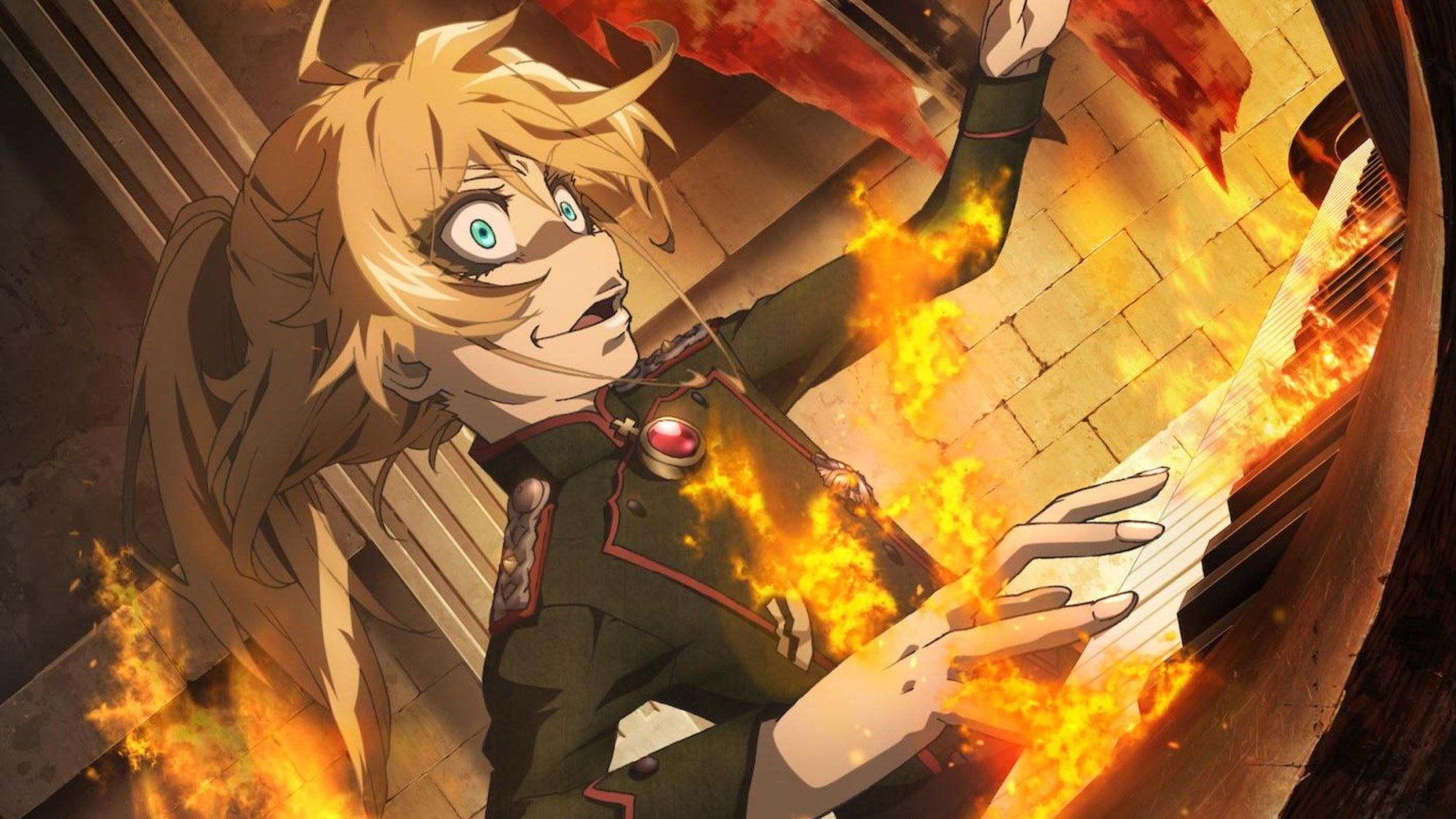
Concluding the list with the shortest, yet still significant, wait of four years is 'Saga of Tanya the Evil' Season 2. This series blends isekai with alternate-history military conflict, following the ruthless Tanya Degurechaff, a salaryman reincarnated into a magical world's version of early 20th-century Europe. Its unique setting and amoral protagonist set it apart from more traditional fantasy isekai.
The four-year gap, while shorter than others on this list, is substantial for a series with such a specific and technically demanding premise involving large-scale aerial battles and period military aesthetics. The production demands for animating its unique blend of magic and warfare are likely high. Its return is anticipated by fans who appreciate its cynical take on war, bureaucracy, and survival, offering a stark contrast to the more idealistic worlds common in the genre.
Global Production and Consumption: Behind the Long Waits
A Complex International Ecosystem
The extended intervals between these sequels are not arbitrary; they reflect the complex, globalized nature of modern anime production. An anime series is no longer just a Japanese domestic product but an international media project. Production committees now routinely include streaming giants from North America and other regions, influencing schedules and funding. The need to synchronize worldwide releases adds logistical layers that can extend timelines.
Furthermore, the industry faces well-documented challenges with production scheduling and animator workloads. Creating the high-quality animation expected by today's global audience is labor-intensive. Studios often juggle multiple projects, and securing the same key staff—directors, character designers, composers—for a sequel years later can cause delays. These waits, therefore, are a symptom of an industry balancing artistic ambition, commercial pressure, and human resource limits on a worldwide stage.
The Evolution of Isekai: What These Returns Signal
From Trend to Established Pillar
The simultaneous return of these seven major titles signals that isekai has solidified from a passing trend into a permanent, diversified pillar of anime. Each series represents a different sub-genre: revenge fantasy, comedic parody, nation-building, psychological horror, and military alternate history. Their collective comeback demonstrates the genre's capacity for variety and depth, capable of sustaining audience interest over multi-year gaps.
This maturation suggests that global audiences have moved beyond seeing isekai as a monolithic concept. Fans now have specific tastes within the genre, seeking out series that match their preference for tone, theme, and character archetype. The success of these returning sequels will be a crucial indicator of the genre's long-term health. It will show whether the foundational works that sparked the boom can continue to captivate, or if audience loyalty will eventually shift to newer innovations.
Perspektif Pembaca
The return of these series after such lengthy absences presents a fascinating moment for reflection within the global anime community. For many, these stories were entry points into the medium or defined a particular era of their fandom.
Which of these long-awaited returns holds the most personal significance for you, and how do you think your own perspective on the series or the isekai genre may have changed during the years you waited for its continuation?
#Isekai #AnimeSequels #ShieldHero #MushokuTensei #Anime2026


