

My Hero Academia: Vigilantes Season 2 Unveils Aizawa's Past in New Trailer and Visual

📷 Image source: static.animecorner.me
A Glimpse into the Shadows: Vigilantes Season 2 Arrives
The Prequel Series Dives Deeper with the 'Aizawa Student Arc'
The world of 'My Hero Academia' expands once more, not forward with its main heroes, but backward into the shadows of its past. 'My Hero Academia: Vigilantes,' the popular prequel spin-off series, has officially unveiled a new key visual and trailer for its upcoming second season, focusing squarely on a young, pre-pro hero Shota Aizawa. The announcement, made by animecorner.me on February 2, 2026, signals a deeper exploration of the era before Izuku Midoriya ever stepped into U.A. High School.
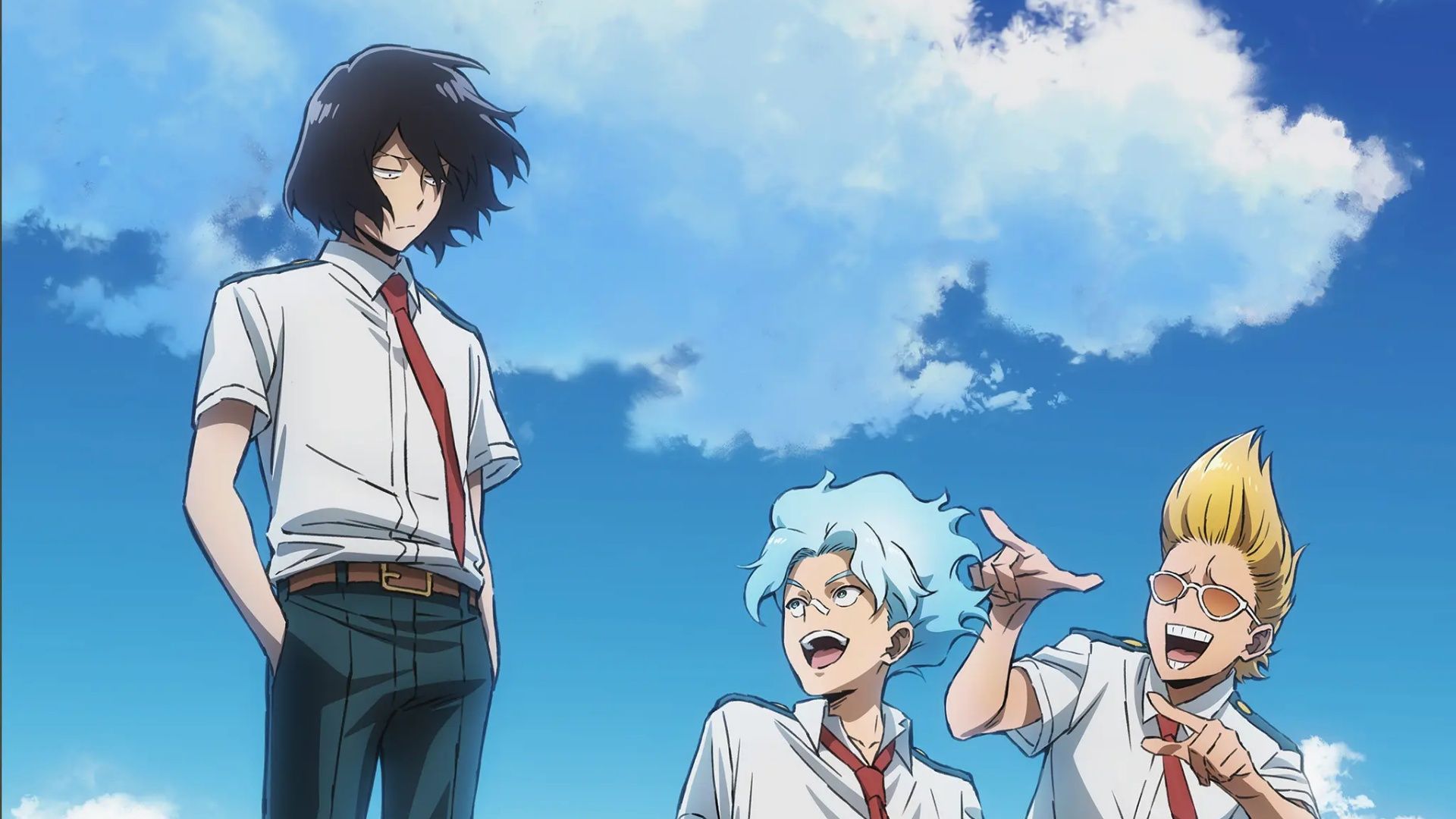
This new season is set to adapt the highly anticipated 'Aizawa Student Arc' from the original manga. While the main series shows Aizawa as the weary, pragmatic homeroom teacher of Class 1-A, 'Vigilantes' promises to reveal his formative years. The new visual and trailer offer the first animated look at Aizawa as a U.A. student, complete with a younger face and his signature capture weapon, hinting at the origins of his stern demeanor and unorthodox teaching methods.
Decoding the New Visual: Youth and Determination
A Stark Contrast to the Eraser Head We Know
The newly released key visual is a compelling piece of narrative art. It features the three core protagonists of 'Vigilantes'—Koichi Haimawari (The Crawler), Kazuho Haneyama (Pop Step), and the enigmatic Knuckleduster—standing together. However, the focal point is undoubtedly the figure looming behind them: a teenage Shota Aizawa. His expression is intense and focused, a stark contrast to the perpetually tired visage of his older self, yet the seeds of his future seriousness are clearly present.
This visual composition is significant. It physically positions Aizawa's past as a foundational layer behind the current vigilante trio's actions. It suggests that the events of this arc are not just a side story but are intrinsically linked to the environment and the unsanctioned heroics that define the 'Vigilantes' series. The aesthetic also confirms the production's commitment to the manga's character designs, ensuring a seamless visual connection between the prequel and the flagship series for fans.
The Trailer's Promise: Action and Origin Story
Hints of a Grittier, Street-Level U.A. Experience
The accompanying trailer, though brief, packs a potent punch. It opens with the familiar, chaotic energy of the 'Vigilantes' setting, showcasing Koichi's improvised parkour-style movements and Pop Step's idol-powered leaps. The tone shifts as the trailer introduces young Aizawa, with quick cuts of him in a U.A. uniform, demonstrating a raw and aggressive version of his Erasure quirk and capture scarf techniques. The action appears less polished than the high-stakes battles of the main series, reflecting the more grounded, street-level conflicts of the spin-off.
Crucially, the trailer does not reveal specific plot points from the arc, instead relying on atmosphere and character shots to build hype. We see glimpses of other potential young heroes, possibly Aizawa's classmates, and the darker, more industrial backdrops that often serve as the battlegrounds in 'Vigilantes.' The music and editing pace suggest a season that will balance the trio's misadventures with a more serious, character-driven exploration of a fan-favorite pro's roots.
Understanding the 'Vigilantes' Niche
How the Spin-Off Differs from the Main Series
For the uninitiated, 'My Hero Academia: Vigilantes' operates under a different set of rules than the main storyline. It is set several years before the events of 'My Hero Academia' and follows individuals who perform heroic acts without a pro hero license—hence the term 'vigilantes.' The series explores the moral and legal gray areas of a society obsessed with sanctioned heroism, focusing on smaller-scale crimes and societal issues that the top heroes might overlook.
This setting provides a unique narrative space. It allows for stories with higher personal stakes and different consequences, where a mistake won't just mean failing a school exam but could result in arrest or worse. The tone is often more mature and cynical, examining the wear and tear of heroism on ordinary people. By introducing a young Aizawa into this world, the series creates a fascinating bridge, showing how the ideals of the structured hero system interact with the messy reality of the streets.
Aizawa's Arc: Filling a Critical Backstory Gap
What the Manga Revealed About His School Days
The 'Aizawa Student Arc' is a cornerstone of the 'Vigilantes' manga, and its adaptation is a major event for fans. In the source material, this arc details Aizawa's time at U.A., his relationships with classmates like Hizashi Yamada (Present Mic) and a younger Tensei Iida (Ingenium), and his early development of the Erasure quirk. It portrays him as a fiercely independent and blunt student, traits that have clearly carried into his adulthood.
More importantly, the arc explores the foundational philosophy that makes Aizawa such a unique teacher. It shows the events and personal convictions that led him to value logical ruthlessness and practical survival over flashy, media-friendly heroics. This backstory provides crucial context for his harsh treatment of Class 1-A during the Quirk Apprehension Test, framing it not as mere cruelty, but as a lesson born from his own hard-earned experience. The anime adaptation will visually cement this character development.
The Production Context and Anticipation
Building on a Successful First Season
The announcement of Season 2 comes after a well-received first season that established the 'Vigilantes' tone and core cast. The studio and core production staff returning for this season have not been explicitly confirmed in this announcement from animecorner.me. However, the consistency in animation style shown in the trailer suggests a stable production team aiming to maintain the quality and faithfulness that garnered the first season its praise.
Fan anticipation is notably high, particularly for this arc. While the first season focused on establishing Koichi's journey, the promise of delving into the past of a major 'My Hero Academia' character like Aizawa broadens the appeal. It acts as both a reward for dedicated 'Vigilantes' viewers and a compelling hook for main-series fans who may have been hesitant to dive into the spin-off. This strategic adaptation choice demonstrates a savvy understanding of the broader franchise ecosystem.
The Global Spin-Off Phenomenon
How Prequels and Side Stories Enrich Modern Franchises
The strategy of expanding a major franchise through spin-offs like 'Vigilantes' is a global trend in anime and comics. Similar to how 'Star Wars' uses shows like 'Andor' or 'The Clone Wars' to flesh out its universe, 'My Hero Academia' uses 'Vigilantes' to explore its world's history and side characters. This approach allows for genre experimentation—'Vigilantes' has a stronger crime-drama feel—and deepens audience investment without overburdening the main narrative.
From a broader perspective, successful spin-offs validate the richness of a story's setting. They prove that the world can sustain narratives beyond the central protagonist's journey. For international audiences, this means more content and a more immersive understanding of the societal structures, like the hero license system and its flaws, that are only hinted at in the primary series. 'Vigilantes' serves as a critical world-building pillar, making the entire 'My Hero Academia' universe feel more lived-in and complex.
Challenges of Adapting a Prequel
Balancing New Stories with Established Canon
Adapting a prequel comes with a unique set of narrative constraints. The production team cannot introduce dramatic stakes that would alter the future established in the main series. For example, viewers already know Aizawa survives his school days to become a teacher. Therefore, the tension must derive from *how* he survives and the formative trials he faces, not *if* he will. The drama shifts to character development and the unveiling of origins for his skills, relationships, and worldview.
Furthermore, the animation must carefully maintain visual continuity. Young versions of characters like Aizawa and Present Mic must be recognizably themselves, yet appropriately younger. The depiction of U.A. High School needs to feel consistent with flashbacks shown in the main series, while perhaps showcasing a slightly different era in its history. This requires meticulous attention to detail from character designers and background artists to ensure the prequel feels like an authentic part of the same world, not a visual retcon.
Impact on the Main Series Interpretation
Retroactively Adding Depth to Key Moments
A well-executed prequel arc doesn't just tell a standalone story; it retroactively adds layers of meaning to the original work. Once Season 2 airs, viewers' re-watches of 'My Hero Academia' may carry new weight. Aizawa's advice to his students, his tactical decisions during the USJ attack, or his interactions with Present Mic will be informed by the unseen history explored in 'Vigilantes.' This enriches the main series without altering a single frame of its original run.
This phenomenon creates a more active and engaged viewership. Fans begin to connect dots across the franchise, building a more comprehensive picture of the timeline. It fosters discussion and analysis, as community debates likely arise about how specific events in 'Vigilantes' directly influenced a character's choice years later in the main story. The spin-off thus becomes essential, not supplementary, for the most dedicated fans seeking a full understanding of the narrative's emotional and logical underpinnings.
What Remains Unseen and Upcoming
Key Details Still Under Wraps
While the new visual and trailer are substantial reveals, several key pieces of information remain unconfirmed as of the February 2, 2026 announcement. The exact premiere date for Season 2 has not been specified. The official length of the season—whether it will be a one-cour (roughly 12 episodes) or two-cour (roughly 24 episodes) series—is also unknown. This uncertainty leaves room for speculation on how much of the 'Aizawa Student Arc' and potentially subsequent manga material will be covered.
Additionally, the announcement does not detail any new cast members. While Aizawa's student-era voice actor might logically be the same as his main series actor, given the character's age, this is not guaranteed. The potential introduction of young versions of other pro heroes would also require casting announcements. These pending details are the next milestones fans will be watching for, as they will define the scope and production depth of this highly anticipated return to the 'Vigilantes' storyline.
Perspektif Pembaca
The exploration of Aizawa's past in 'Vigilantes' touches on a universal theme: the events that shape a mentor. His journey from a cynical student to a teacher who, despite his demeanor, fiercely protects his pupils is a compelling arc.
We want to hear from you. Which type of hero origin story do you find most compelling and why? Is it the story of a naturally gifted prodigy learning responsibility, an underdog defying all odds through sheer will, or a cynical realist rediscovering their capacity for idealism through hard experience? Share your perspective and which classic character arcs you believe Aizawa's journey most closely aligns with.
#MyHeroAcademia #Vigilantes #Aizawa #AnimeNews #Season2


